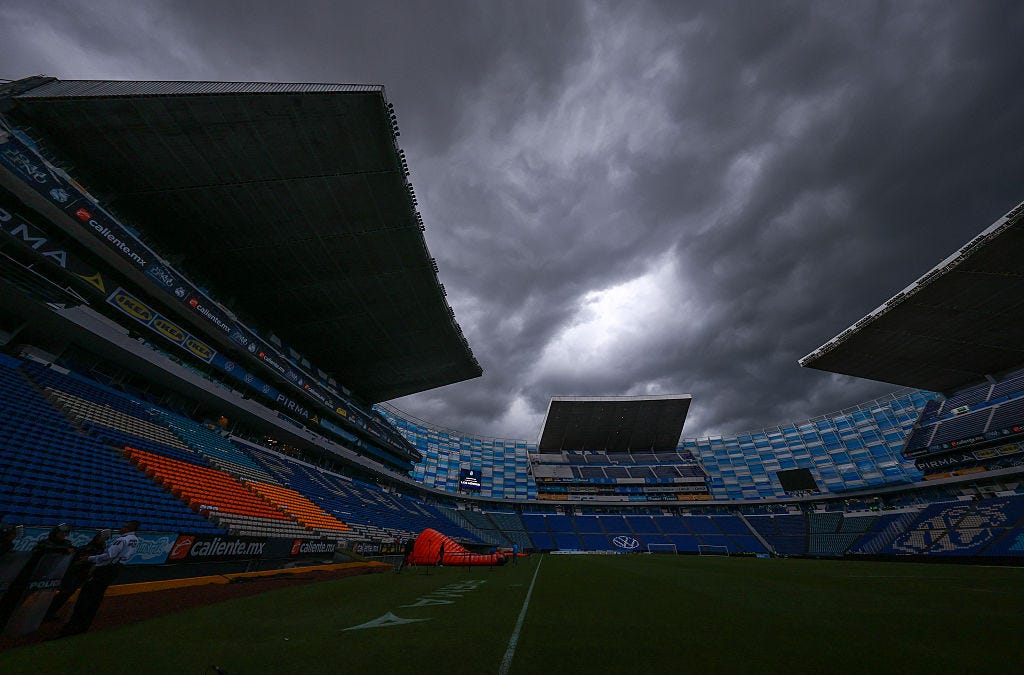
The electrifying atmosphere of Mexican football is renowned worldwide, but beneath the passion and vibrant chants lies a persistent challenge: ensuring stadium security. A recent incident at the Estadio Ciudad de los Deportes brought this issue into sharp focus, sparking widespread debate among fans, clubs, and security experts. During a highly anticipated match, Club América supporters were reportedly compelled by security personnel to remove their jerseys, a decision met with jeers and provocative chants from rival Cruz Azul fans who screamed, "Quémenlas!" (Burn them!). This controversial measure highlights the complex landscape of seguridad partido méxico and raises critical questions about fan safety, club rivalries, and the balance between maintaining order and respecting fan identity.
The Controversial Incident at Estadio Ciudad de los Deportes: A Deeper Look into Fan Safety
The scene at the Estadio Ciudad de los Deportes was ripe with tension even before kick-off, as is often the case when two of Liga MX's giants, Club América and Cruz Azul, known for their fierce "Clásico Joven" rivalry, face off. Reports emerged detailing how security forces intercepted Club América fans, specifically those situated in certain sections, and mandated the removal of their team jerseys. This unprecedented demand was purportedly made to mitigate potential confrontations and maintain a semblance of peace within the stadium. However, the immediate consequence was a palpable sense of humiliation among the affected fans, further exacerbated by the taunts from Cruz Azul supporters. This incident quickly became a flashpoint, drawing attention to the often-drastic measures taken in the name of seguridad partido méxico.
Understanding the Context: Liga MX Rivalries and the Challenge of Fan Management
Mexican football is a vibrant tapestry woven with deep-seated loyalties and intense rivalries. The passion of the fans is both the lifeblood of the sport and, at times, its greatest challenge. The "Clásico Joven" between América and Cruz Azul is one of the most fervent, representing not just a contest on the field but a clash of identities and histories. In such high-stakes environments, the potential for crowd disturbances, minor skirmishes, and even serious incidents is always present. Stadium security, therefore, operates under immense pressure to prevent any escalation. Past incidents of fan violence in Liga MX, though not always directly related to this specific rivalry, underscore the continuous need for robust fan safety in Liga MX: The Estadio Ciudad de los Deportes jersey ban strategies. This background helps explain why security might resort to extreme measures, even if those measures are met with widespread criticism for infringing upon fan freedoms and potentially fueling resentment rather than quelling it.
Why Such Measures? Deconstructing Stadium Security Decisions
From a security perspective, forcing rival fans to remove their jerseys might be seen as a preemptive strike against potential flashpoints. The logic often cited for such policies includes:
- De-escalation: Visibly reducing rival team colors in close proximity aims to lower the immediate chances of verbal abuse escalating into physical altercations.
- Preventing Provocation: A fan wearing an opposing team's jersey in a section predominantly occupied by rivals can be perceived as an act of provocation, even if unintended.
- Maintaining Order: In crowded and emotionally charged environments, security teams might believe that uniformity of colors (or at least the absence of conflicting colors) simplifies crowd control.
However, the effectiveness and ethical implications of such blanket policies are heavily debated. While the intent might be to ensure seguridad partido méxico, the execution can lead to more problems than it solves. The humiliation inflicted upon fans can breed resentment towards security personnel and the clubs, ultimately tarnishing the fan experience. It also raises questions about whether fans are being punished for merely expressing their allegiance, a fundamental aspect of football culture. For a deeper dive into the complexities surrounding such decisions, read our analysis on Controversial Security: Why America Fans Lost Jerseys at Mexican Match.
The Double-Edged Sword of Intervention
While security measures are crucial for protecting attendees, policies like forced jersey removal walk a thin line. On one hand, they might prevent isolated incidents in the short term. On the other, they can:
- Erode Trust: Fans may lose trust in stadium security, viewing them as authoritarian rather than protective.
- Fuel Resentment: The feeling of being unjustly targeted or humiliated can create long-lasting negative sentiments.
- Deter Attendance: If the fan experience becomes overly restrictive or uncomfortable, it could deter people from attending matches, especially families.
- Shift Blame: Such measures can sometimes deflect from more fundamental security failings, such as inadequate fan segregation, poor intelligence gathering, or insufficient training of security personnel.
Ultimately, true seguridad partido méxico must go beyond superficial measures and address the root causes of fan unrest, fostering an environment where passion and safety coexist.
Elevating Seguridad Partido México: Best Practices and a Forward-Thinking Approach
Ensuring comprehensive seguridad partido méxico requires a multifaceted approach that combines robust protocols with an understanding of fan psychology and culture. Here are some best practices and future outlooks for improving stadium safety:
Proactive and Intelligent Security Strategies
- Enhanced Intelligence Gathering: Clubs and authorities should collaborate to gather intelligence on fan groups, potential agitators, and planned disruptions *before* match day.
- Effective Fan Segregation: Implementing clearer and more robust physical and logistical segregation of rival fan bases, from entry points to seating sections and exit routes, is paramount.
- Trained Personnel: Security staff should receive comprehensive training not only in crowd control but also in de-escalation techniques, cultural sensitivity, and first aid. They should be peacekeepers, not merely enforcers.
- Advanced Surveillance Technology: Utilizing modern CCTV systems with facial recognition capabilities (where legally and ethically appropriate) can help identify individuals involved in past incidents and prevent their entry.
- Clear Communication: Stadiums should clearly communicate security policies and expectations to fans well in advance, through digital platforms, signage, and public address systems.
Fostering a Culture of Responsibility
- Fan Education Programs: Clubs can run campaigns promoting responsible fan behavior, emphasizing sportsmanship and respect for rivals.
- Dialogue with Fan Groups: Establishing open lines of communication with organized fan groups can help understand their concerns and enlist their cooperation in maintaining order.
- Strict Enforcement of Bans: Individuals identified as instigators of violence or serious misconduct should face severe penalties, including stadium bans, enforced across the league.
- Alcohol Management: Responsible alcohol sales and consumption policies within stadiums can significantly reduce aggression.
A Fan's Guide to Attending High-Stakes Matches
While clubs and security bear primary responsibility, fans also play a crucial role in ensuring their own safety and contributing to a positive atmosphere. When attending highly charged matches:
- Research Stadium Policies: Familiarize yourself with the stadium's rules and regulations beforehand.
- Arrive Early: Allow ample time for security checks and to find your seat without rushing or contributing to bottlenecks.
- Be Aware of Your Surroundings: Pay attention to exit routes and identify security personnel if you need assistance.
- Dress Smartly: While expressing team loyalty is fundamental, in particularly hostile environments, consider wearing neutral clothing or being discreet with your team's colors, especially if you are not in your designated fan section.
- Avoid Provocation: Refrain from engaging in verbal altercations or making gestures that could incite aggression.
- Report Concerns: If you witness suspicious behavior or feel unsafe, immediately inform security staff.
- Travel Safely: Plan your transportation to and from the stadium, considering public transport or designated fan coaches where available.
Conclusion
The incident at the Estadio Ciudad de los Deportes, where Club América fans were forced to remove their jerseys, serves as a stark reminder of the ongoing challenges in achieving optimal seguridad partido méxico. While security is paramount, the methods employed must be carefully considered to avoid alienating fans and eroding the very spirit of the game. A truly effective security strategy moves beyond reactive, punitive measures to embrace proactive planning, intelligent deployment of resources, fan engagement, and a deep understanding of the unique dynamics of Mexican football. Only through collaborative efforts between clubs, authorities, and fans can we ensure that the passion and intensity of Liga MX matches are celebrated in environments that are both exhilarating and, most importantly, safe for everyone involved.