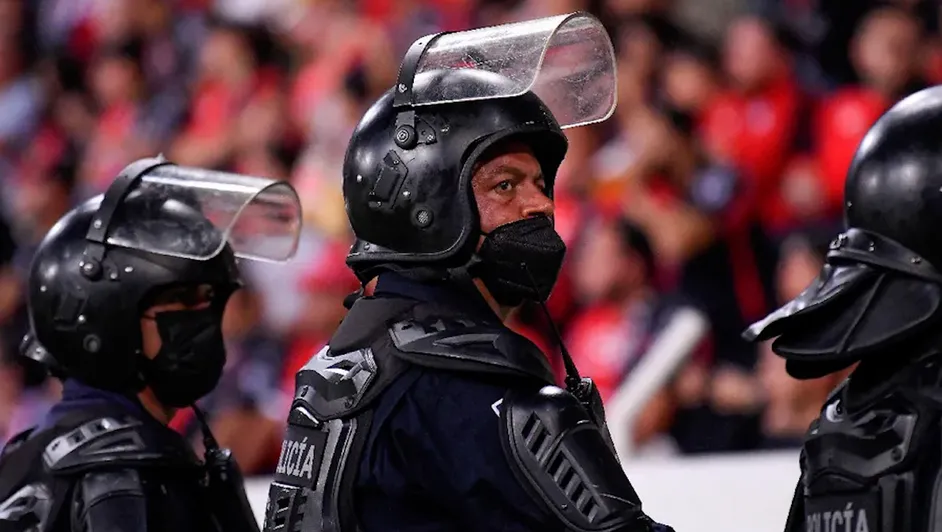
Navigating Fan Passion and Safety: The Estadio Ciudad de los Deportes Jersey Ban
Liga MX, Mexico's premier football league, is renowned globally for its fervent fan base and electrifying match-day atmosphere. From the deafening chants to the vibrant displays of team colors, the passion of Mexican football supporters is truly unparalleled. However, this intense loyalty, while creating an incredible spectacle, also presents significant challenges regarding fan safety and stadium security. The recent incident at the Estadio Ciudad de los Deportes, where Club América fans were reportedly forced to remove their jerseys, has ignited a vital conversation about the extreme measures sometimes deemed necessary to ensure
seguridad partido méxico (match safety in Mexico). This event, witnessed by rival Cruz Azul fans reportedly chanting "Quémenlas" (Burn them), underscores the delicate balance between allowing fans to express their allegiance and preventing potential conflict.
The very essence of a football match is the emotional investment of its supporters. Yet, when this passion escalates into rivalry-driven aggression, stadium security personnel face immense pressure. The incident at Estadio Ciudad de los Deportes serves as a stark reminder of the complexities involved in maintaining order in an environment charged with high stakes and deep-seated loyalties. It prompts a deeper look into the strategies employed by Mexican stadiums to protect attendees and preserve the integrity of the beautiful game, even if it means implementing controversial policies that impact the fan experience directly.
The Controversial Jersey Ban at Estadio Ciudad de los Deportes: A Case Study in Security
The scene was unsettling: Club América fans, some reportedly travelling significant distances to support their team, found themselves in a difficult position at the Estadio Ciudad de los Deportes. Due to stringent security protocols aimed at enhancing
seguridad partido méxico, they were allegedly compelled to remove their iconic yellow jerseys. This was not merely an inconvenience; it was a public act of suppression of fan identity, exacerbated by the presence and taunts of rival Cruz Azul supporters, who allegedly chanted for the jerseys to be burned. This specific measure highlights a critical tension between comprehensive security and the fundamental right of a fan to display their team pride.
Why would such an extreme measure be implemented? The most probable explanation lies in the stadium's assessment of potential conflict in certain sections. In environments where rival fans might be mixed, or where historical tensions run particularly high, visible displays of allegiance can be perceived as provocations. Security forces, operating under the primary objective of preventing violence and maintaining public order, might resort to such bans to de-escalate potential flashpoints. The decision to enforce a jersey ban typically stems from intelligence regarding potential threats, past incidents of violence between rival groups, or an assessment of the current match's risk level. While the intent is undeniably to bolster safety, the execution and its impact on the fan experience raise significant questions. Such policies, while potentially effective in short-term crowd control, can alienate fans and detract from the vibrant atmosphere that makes Liga MX so special. For more context on similar incidents and discussions, you can read about
Mexican Stadium Security: America Fans Forced to Remove Jerseys and
Controversial Security: Why America Fans Lost Jerseys at Mexican Match.
Understanding Liga MX Fan Culture and Security Challenges
The landscape of Liga MX is defined by some of the most passionate and often intense rivalries in global football. Matches like the Clásico Nacional between América and Guadalajara, or the Clásico Joven involving América and Cruz Azul, are not just games; they are cultural events steeped in history, pride, and fierce competition. This intensity, while a core part of the league's appeal, also presents significant challenges for
seguridad partido méxico.
The presence of organized fan groups, often known as
Barras Bravas, adds another layer of complexity. These groups, while instrumental in creating the electric atmosphere that Liga MX is famous for, have also been associated with instances of violence and disorder both inside and outside stadiums. Stadium security and law enforcement agencies are constantly devising strategies to manage these groups, ensuring their passion remains within acceptable boundaries. The goal is to facilitate a vibrant, supportive atmosphere while mitigating any risks posed by extreme elements. This involves a multi-faceted approach, encompassing everything from pre-match intelligence gathering to sophisticated crowd management techniques and, at times, controversial on-the-spot decisions like jersey bans. The constant challenge is to adapt security protocols to the dynamic nature of fan behavior and the specific historical context of each rivalry, ensuring that safety never comes at the complete expense of the unbridled joy of supporting one's team.
Proactive Measures and Best Practices for Fan Safety in Mexican Football
Ensuring robust
seguridad partido méxico goes beyond reactive measures; it requires comprehensive, proactive strategies. Stadiums and clubs in Mexico employ a variety of best practices to create a safe environment for all attendees:
- Rigorous Entry Checks: This includes thorough bag inspections, metal detectors, and sometimes even body pat-downs to prevent the entry of prohibited items like flares, weapons, or projectiles.
- Segregated Seating: A cornerstone of fan safety, this practice involves strategically separating rival fan bases within the stadium, often with buffer zones and dedicated entry/exit points, to minimize direct confrontations.
- Enhanced Police and Private Security Presence: A visible and robust presence of both uniformed police officers and trained private security personnel acts as a deterrent and allows for swift intervention in case of incidents.
- CCTV Surveillance: Extensive camera networks monitor crowd movements, identify potential troublemakers, and provide crucial evidence for post-incident investigations.
- Fan Education and Codes of Conduct: Clubs and the league actively promote campaigns encouraging respectful behavior, discouraging violence, and outlining clear codes of conduct for match days.
- Alcohol Sale Regulations: Strict controls on the sale and consumption of alcohol, including designated periods and limited quantities, are common to prevent alcohol-fueled incidents.
- Emergency Response Planning: Detailed plans are in place for various emergency scenarios, including medical emergencies, fires, and evacuations, ensuring swift and coordinated responses.
- Collaboration Between Stakeholders: Effective security relies on seamless communication and cooperation between clubs, the league (Liga MX), law enforcement agencies, and local authorities.
While these measures are designed to be preventative, the incident at Estadio Ciudad de los Deportes shows that sometimes, even with extensive planning, on-the-spot decisions are made in response to perceived threats, highlighting the ongoing evolution of security protocols.
The Fan Experience vs. Absolute Security: Finding the Balance
The incident at Estadio Ciudad de los Deportes brings into sharp focus the perennial dilemma faced by football authorities worldwide: how to reconcile the desire for absolute
seguridad partido méxico with the fundamental right of fans to express their passion freely. Forcing fans to remove their jerseys is not just a logistical action; it carries a significant psychological weight. It can feel like a direct assault on their identity, dampening the celebratory spirit that is so vital to the match-day experience. While safety is paramount, a stadium experience that consistently feels suppressive risks alienating the very supporters who breathe life into the sport.
Clubs have a responsibility not only to their fans' safety but also to their overall experience. It's crucial for security measures to be communicated clearly, consistently, and transparently. Furthermore, dialogue between clubs, security forces, and fan representatives could lead to more nuanced solutions that prioritize safety without disproportionately impacting fan expression. Perhaps better segregation, more robust pre-screening at entry points, or clearer guidelines about specific sections could reduce the need for such drastic interventions. The goal should be to create an environment where fans feel safe *and* empowered to celebrate their team, fostering a truly inclusive and enjoyable atmosphere for everyone.
Practical Tips for Fans Attending Liga MX Matches
For fans planning to attend a Liga MX match in Mexico, keeping
seguridad partido méxico in mind can enhance your experience and minimize potential issues. Here are some actionable tips:
- Know Your Seat Location: Before arriving, understand which section you're in. Is it a home fan area, an away fan area, or a designated neutral zone? This will influence what you wear and how you behave.
- Dress Smartly: If you're attending a high-stakes match or sitting in a potentially mixed section, consider wearing neutral colors or layers that can conceal your team's jersey until you're safely within your designated fan zone. Always be prepared for the possibility of a jersey ban or request to cover up.
- Arrive Early: Allow ample time for security checks. Queues can be long, and rushing through security increases the likelihood of misunderstandings or delays.
- Carry Minimal Belongings: The less you have to be checked, the quicker and smoother your entry will be. Be aware of prohibited items, which typically include large bags, weapons, flares, and often certain types of food and drink.
- Stay Aware of Your Surroundings: Pay attention to announcements, signage, and the demeanor of the crowd around you. If you sense tension, try to move to a calmer area or inform security.
- Cooperate with Security Personnel: While some security measures can be inconvenient, it's crucial to follow the instructions of stadium staff and police. Their primary goal is to maintain order and safety.
- Travel in Groups: Especially if you're an away fan, arriving and departing in a group can provide an added layer of safety.
- Report Concerns: If you witness any aggressive behavior or feel unsafe, immediately notify the nearest security guard or stadium official.
- Stay Hydrated and Sun Protected: Mexican stadiums can get very hot. Bring a cap, apply sunscreen, and stay hydrated (within stadium rules for bringing in liquids).
By being informed and prepared, fans can contribute to a safer environment and ensure their focus remains on enjoying the thrilling spectacle of Liga MX football.
Conclusion
The incident at Estadio Ciudad de los Deportes, where Club América fans were asked to remove their jerseys, is a potent symbol of the ongoing challenges in balancing fan passion with stringent
seguridad partido méxico. While the measure was undoubtedly implemented with the goal of preventing violence and ensuring public order, it sparked a crucial dialogue about the appropriate limits of security interventions and their impact on the fan experience. Liga MX, with its unparalleled energy and loyal supporters, must continue to seek innovative solutions that protect attendees without stifling the vibrant expression of fandom. The path forward involves continuous dialogue between clubs, leagues, security forces, and fans, aiming for protocols that are clear, consistently applied, and respectful of the diverse and passionate community that makes Mexican football truly exceptional. Ultimately, the goal is to ensure that the excitement of a Liga MX match remains a safe and unforgettable experience for everyone.